



Faculty of Social Sciences

As social scientists, we train and produce professionals and academics in the field of economics, psychology, sociology, mass communication, political science, criminology and security studies, library and information science, etc., with cutting-edge knowledge and skills to make them active participants in the global space. Our alumni continue to prove their mettle and relevance in the industry and academia.

We are determined to extend the frontiers of research and academic inquiry in the digital and information age in line with our institution’s mandate and vision encapsulated in its philosophy “excellentia humana et patriae opus” (The flowering of Human Abilities and Service to the Fatherland).

Our History

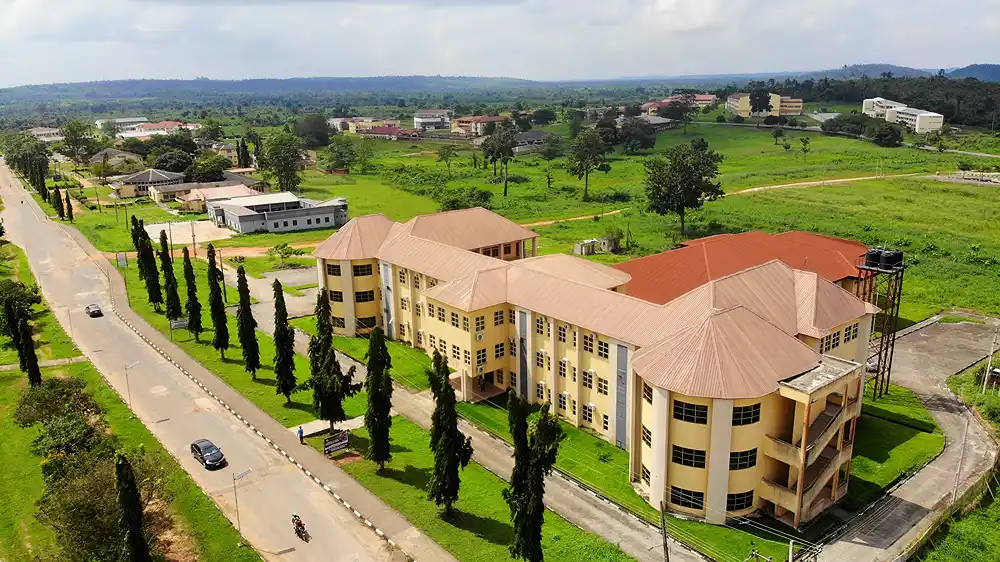
The Faculty of Social Sciences is one of the six faculties located on the Main campus (Permanent Campus) of the university, in Ago-Iwoye. It was part of the defunct Faculty of Social and Management Sciences, which was dissolved on November 1, 2017.

Before this time, a proposal to create a distinct faculty from the old one was submitted and approved by the Senate in 2002. After the split, the Faculty of Social Sciences boasted of six departments offering different undergraduate and postgraduate programmes. The departments offering B.Sc., Postgraduate Diploma, including M.Sc. and M.Phil / PhD programmes in Economics, Geography, Political Science, Psychology, Sociology and Mass Communication.

The Faculty has indeed since grown with two additional programmes, i.e. B.Sc. Criminology and Security Studies and Library and Information Sciences. A breakthrough landmark of the Faculty is the opportunity to birth the Oba Dr. Sikiru Kayode Adetona Institute of Governance, with a full complement of half a billion naira professorial chair bankrolled by the longest-reigning Awujale of Ijebu land.

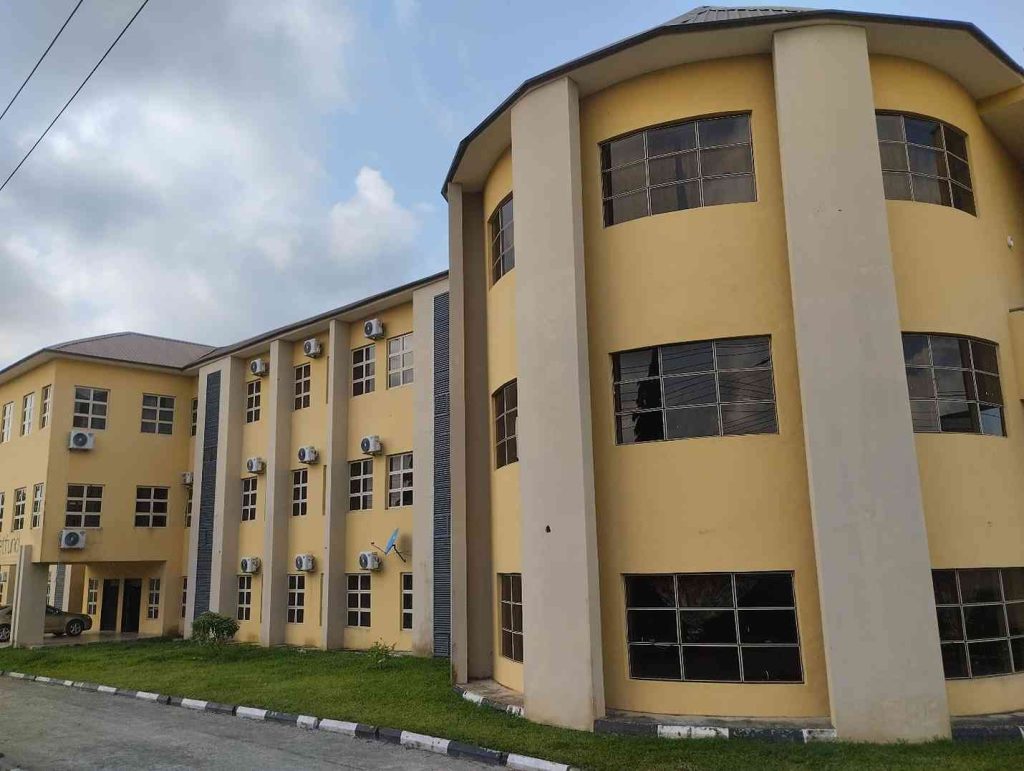
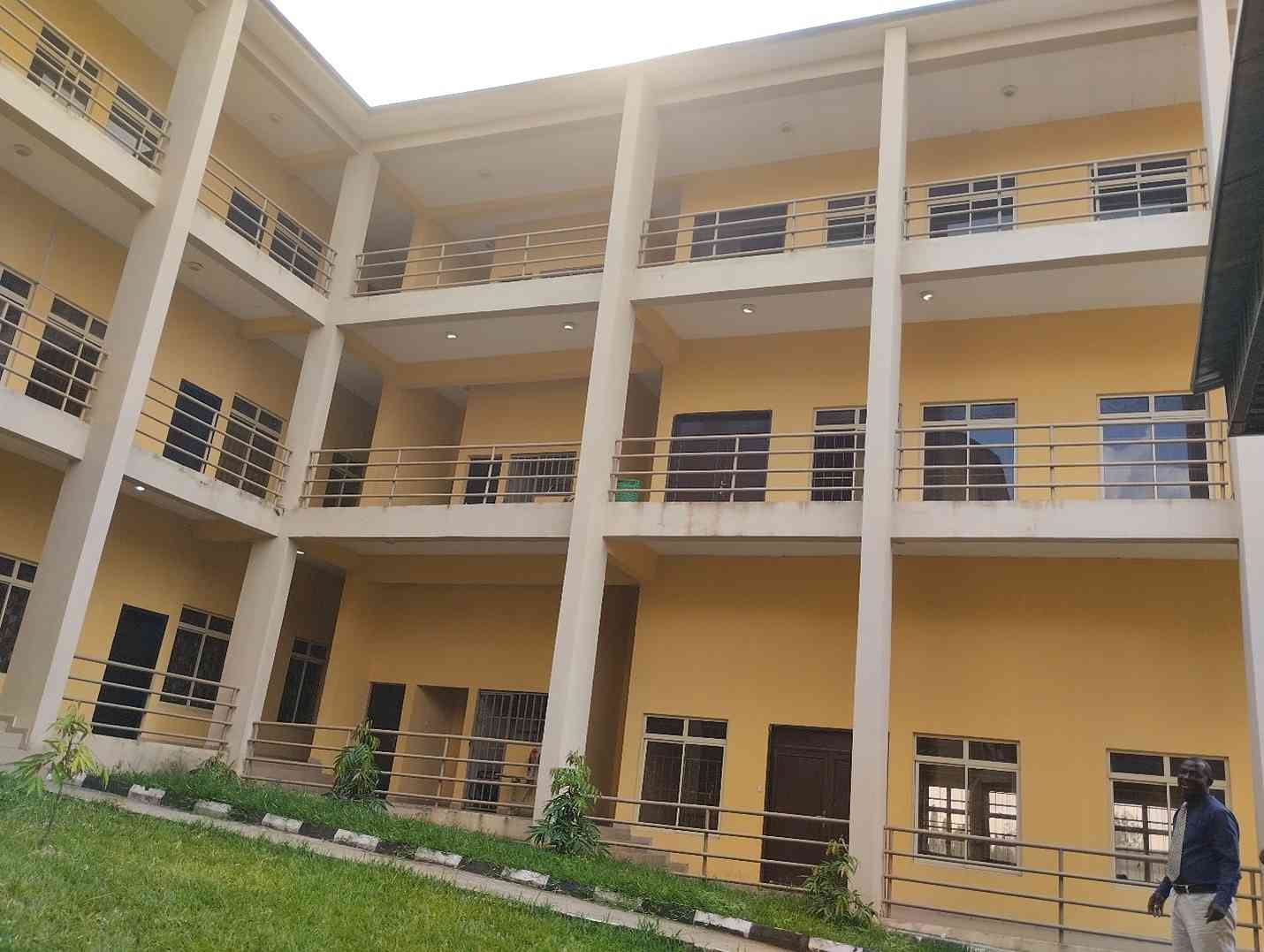
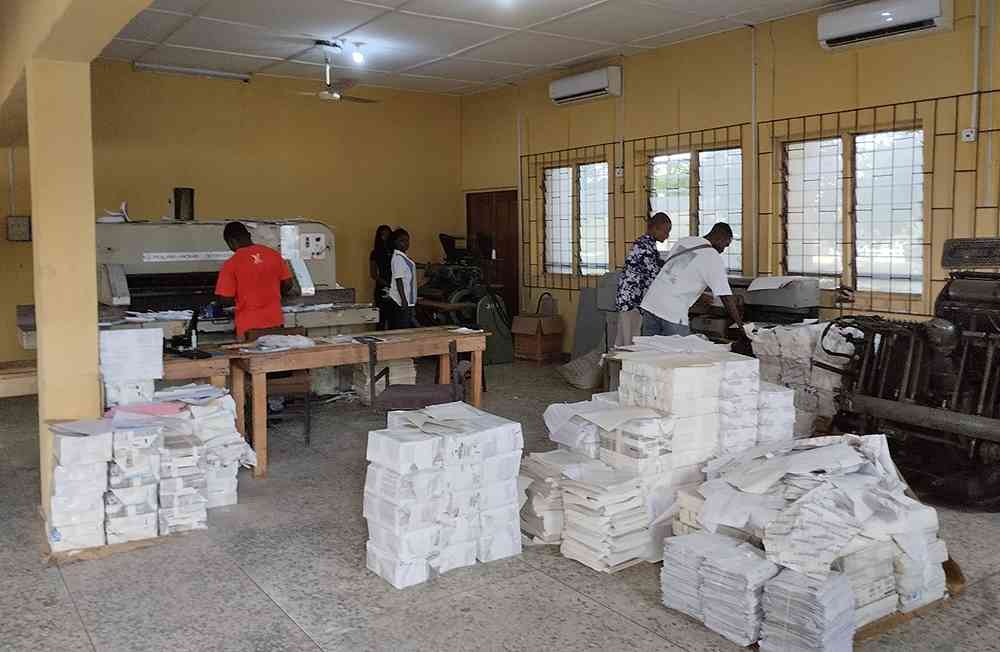
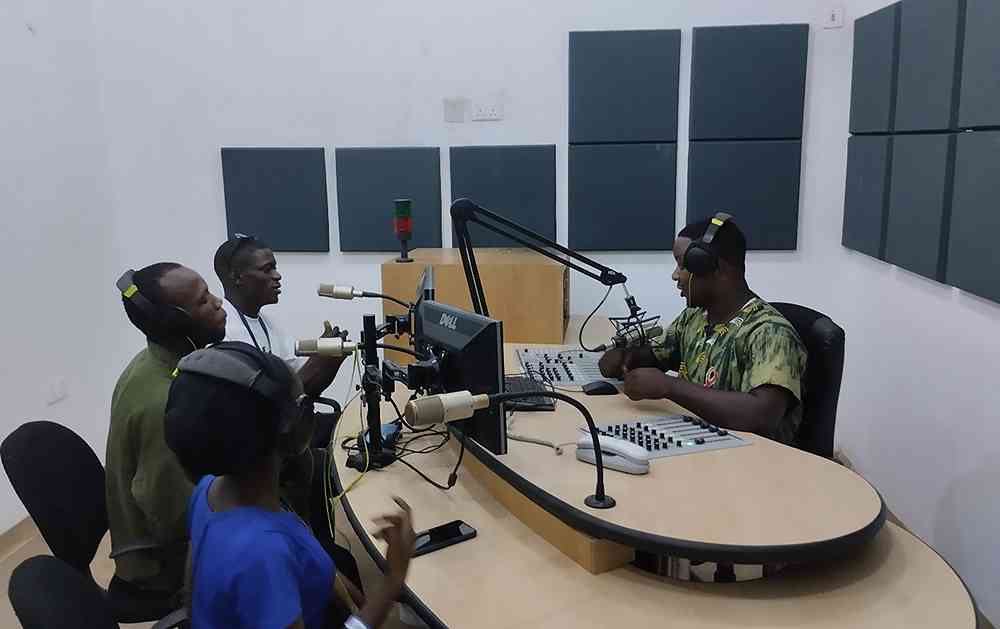
The Faculty of Social Sciences occupies a sprawling expanse of structures stretching from its state–of–the–art modern faculty complex bordering the iconic Senate building to the Faculty of Law and beyond, with the following facilities: a printing press, digital FM radio station, and television studios, among others.

Faculty of Social Sciences Research Plans for 2025

Research Theme: Sustainable Agriculture, Food Security, Global Health, and Wellbeing

The faculty is committed to advancing interdisciplinary research that addresses critical global challenges related to agriculture, food security, health, and well-being. In alignment with national development priorities and global Sustainable Development Goals (SDGs), the faculty 2025 research plans focus on actionable strategies to promote sustainable practices, enhance food security, improve global health outcomes, and foster societal well-being.

A. Goals and Targets

1. Promote Sustainable Agriculture
  • Develop and support research that integrates social, economic, and environmental sustainability in agricultural practices.
  • Encourage innovations in resource management, land use, and agricultural policy.
2. Enhance Food Security
  • Investigate strategies to ensure equitable access to nutritious food for all.
  • Address inefficiencies in food production, distribution, and storage systems.
3. Improve Global Health and Wellbeing
  • Conduct studies on the socio-economic determinants of health and well-being.
  • Explore innovative solutions to emerging health challenges, such as pandemics and lifestyle diseases.
4. Foster Interdisciplinary Collaboration
  • Build partnerships within departments and across faculties, industries, and policymakers to address multifaceted challenges.
  • Leverage digital tools, including big data and AI, for research and policy-making.

B. Strategies to Achieve the Goals

1. Research, Development, and Funding
  • Establish Research Clusters: Create thematic research clusters in key areas, such as sustainable agriculture, food security, and health economics.
  • Seek Funding Opportunities: Apply for grants from national and international agencies, such as the African
  • Development Bank, the World Bank, and the Bill & Melinda Gates Foundation.
  • Allocate Internal Resources: Dedicate 20% of faculty research budgets to projects addressing this theme.
2. Capacity Building and Training
  • Host Conferences, Workshops, and Seminars: Focus on methodologies for sustainability studies, econometric modelling, and health data analysis.
  • Encourage Postgraduate Research: Offer adequate mentorship and scholarships for MSc and PhD students researching faculty research themes.
  • Engage Faculty Experts: Assign senior faculty mentors to junior researchers working on projects aligned with the theme.
3. Policy Advocacy and Community Engagement
  • Develop Policy Briefs: Translate research findings into actionable recommendations for policymakers.
  • Collaborate with Local Communities: Engage farmers, healthcare providers, and NGOs in pilot studies and outreach programs.
  • Host Public Forums: Promote awareness of food security and health challenges through public lectures and media campaigns.
4. Digital and Technological Integration
  • Leverage Technology for Research: Incorporate blockchain, Geographic Information Systems (GIS), and Internet of
  • Things (IoT) for agriculture and health data collection.
  • Build Digital Databases: Create a repository of research data to facilitate knowledge sharing within and beyond the faculty.
  • Promote E-Learning: Develop online short courses to disseminate knowledge on sustainable agriculture and health such as certificates in Agricultural Entrepreneurship, Small Business Management and Entrepreneurship, Creative Entrepreneurship, etc

C. Expected Outputs / Outcomes for 2025

  1. Innovative Solutions: Development of context-specific strategies to enhance agricultural productivity and ensure food security.
  2. Policy Impact: Evidence-based policies promoting sustainable agriculture and improved health outcomes.
  3. Policy Recommendations: Five policy briefs targeting government, NGOs, and private sector stakeholders.
  4. Capacity Enhancement: A well-trained cohort of researchers and practitioners in sustainability, health, and agriculture.
  5. Community Transformation: Improved livelihoods and health among local communities through participatory research and outreach programs.
  6. Global Recognition: Increased visibility of the University through the faculty’s contributions to solving global challenges in agriculture, food security, and health.
  7. Research Publications: Fifty (50) journal articles submitted to high-impact journals such as Scopus, Simago, ISI, IBSS, etc
  8. Partnerships: Collaboration agreements with three international and five local organisations based on availability.
  9. Research Outputs: Comprehensive datasets and models to guide future studies and interventions.
  10. Postgraduate Impact: Increase the Number of postgraduate students by 20% through the timely completion of PG programmes in the faculty.

D. Implementation Plan

Phase 1 (January – March 2025): Research Preparation
  • Set up research clusters and identify key collaborators.
  • Organise capacity-building workshops and training sessions.
  • Develop funding proposals.
  • Monthly Faculty Seminar Series
Phase 2 (April – June 2025): Research Execution
  • Conduct baseline studies in selected areas
  • Implement field studies, surveys, and experiments.
  • Present interim findings
  • Monthly Faculty Seminar Series
  • Faculty Research Fairs (April)
Phase 3 (July – September 2025): Dissemination
  • Publish preliminary findings and policy briefs.
  • Host mid-year progress review workshops.
  • Host conferences to showcase findings. (2nd International Conference on Law and Society) – July
  • Monthly Faculty Seminar Series
Phase 4 (October – December 2025): Impact Measurement
  • Finalise annual evaluation report 
  • Open Faculty Lecture (November) 
  • Monthly Faculty Seminar Series
  • Engage policymakers and community leaders for scaling solutions.
  • Measure long-term outcomes and refine strategies. 
  • Plan for 2026 activities

E. Departmental Roles

  1. Economics: Provides macroeconomic analysis, cost assessments, and policy solutions for funding and improving food security.
  2. Geography: Utilises spatial analysis to identify climate-vulnerable areas and recommend sustainable practices.
  3. Mass Communication: Designs and disseminates effective communication strategies to influence public awareness and behaviour.
  4. Political Science: Reviews governance and policy frameworks to strengthen the implementation of food security initiatives.
  5. Library and Information Science: Facilitates knowledge sharing through curated data repositories and accessibility tools.
  6. Psychology: Addresses mental health and behavioural challenges linked to food insecurity and adoption of innovations.
  7. Sociology: Explores social dynamics and cultural practices to ensure inclusivity in interventions and policies.

Facilities for Student Training

The Faculty of Social Sciences parades an array of state-of-the-art lecture rooms and facilities for effective teaching. These include :

  1. A digital and functional frequency modulated radio station
  2. Television studios
  3. Full complement printing press
  4. Clinical psychology laboratory
  5. Geographic Information Service facilities
  6. Undergraduate and postgraduate seminar rooms with functional smart boards, etc.

Faculty Organogram

Prof. Ayodele Thomas ODUNLAMI

odunlami.dele@oouagoiwoye.edu.ng
Orcid ID: https://orcid.org/0000-0001-7780-7660
Google Scholar citation: 165; h index:6; i10 index:5
+2348130487877

Professor Ayodele Thomas ODUNLAMI, the Current Dean of the Faculty of Social Sciences, Olabisi Onabanjo University, Ago–Iwoye, is a seasoned journalist and professor of Broadcast Journalism whose media experience as a Reporter / Researcher and Principal Editor spanned across reputable media houses in Nigeria, including the defunct African Guardian, Champion Newspapers and the Ogun State Television 25 UHF, Abeokuta. His voice was a familiar echo on OGTV’s   airwaves in the 90s.

In his professional days, Professor Odunlami covered several national and international events and won awards. He covered the 2007 Nigerian Presidential Elections for the West Africa Democracy Radio, WADR, Dakar, Senegal – the broadcast arm of the Open Society Initiative of West Africa (OSIWA).

He obtained a B.A in English (Ed) combined Honours from Ogun State University now Olabisi Onabanjo University, Ago- Iwoye, Nigeria, and two Masters degrees (MCA and M.A) in Communication and Language Arts and Communication Arts from the University of Ibadan in 1998 and 2006 respectively including his PhD Broadcast Journalism from Babcock University, Ilishan- Remo, Ogun State, Nigeria in 2012.

His research interests cover Broadcast Journalism, Media Studies, Development Communication, Political Communication and New Media Trends with over fifty (50) publications in local and international journals. Professor Odunlami is the current Lead Coordinator of Sub-Saharan Africa Research Regional Hub of the Journalism Education and Trauma Research Group (JETREG), a global research body based in the Lincoln University, United Kingdom. He is also a member of the African Council on Communication Education (ACCE), Nigeria Chapter and the Association of Communication Scholars and Professionals of Nigeria (ACSPN) including being a Fellow of the Nigerian Institute of Public Relations (NIPR).

Professor Odunlami, who has attended several conferences nationally and internationally, is the Editor of Agogo: African Journal of Humanities, one of the University journals sponsored by the Tertiary Education Fund (TETFUND). He is proudly listed as one of the 50 top Ogun State Role Models in Nigeria (Volume 3 Memoirs) published by Prestige Newspaper Books.

Recent Publications

  1. Sekoni, B.R., Odunlami, A.T.,& Akeredolu-Ale, B.I.(2021). Health Communication Analysis of Doctor-Patient Relationship and Patients’ Health Behaviour in South West Nigeria. Journal of Humanities, Social Sciences and Creative Arts. 16(2): 31-42. Federal University of Agriculture Abeokuta.
  2. Odetoyinbo, A., Odunlami, D.,Orebiyi, A.O. & Adebimpe, P.(2021). Operational Implications on the Programming Strategies of OGBC and Rock City F.M.,Abeokuta, Ogun State. Journal of Management and Social Sciences, 3(2). Hallmark University, Ijebu- Itele, Ogun State.
  3. Odetoyinbo, A., Odunlami, D.,Orebiyi, A.O. & Adebimpe, P.(2021).Programmes Directors’ Perception of Eye, Thought and Action (ETA) Model in TV Directing Process: A Study of NTA and OGTV Abeokuta, Ogun State. Journal of Management and Social Sciences, 3(2). Hallmark University, Ijebu- Itele, Ogun State.
  4. Adunola, N.O.& Odunlami, D. (2022). Analysis of the Association between Communication Channels and Adoption of Agricultural- based Messages by Fadama Phase III Farmers in Oyo State, Nigeria. Journal of Communication and Language Arts. University of Ibadan. Vol.13 
  5. Akinrosoye, A.I. & Odunlami, D. (2022). Media Stakeholders’Perception of Investigative Journalism in the Post- Freedom of Information Act(FoIA) Era in Southwest Nigeria. Journal of Communication and Language Arts. University of Ibadan. Vol.13
  6. Adefemi, O.V. & Odunlami, A. (2023). Implications of the Adoption of Digital Technology in News Content Processing on Job Security and Description of Photojournalists in Southwest Nigeria. GVU journal of Management and Social Sciences.Glorious Vision University (Formerly Samuel Adegboyega University) , Edo State, Nigeria. 8 (2) : 141-154.
  7. Eze,M.N.& Odunlami, A.T.  (2023). Impact of Peer Communication on Risk Awareness of Codeine and Tramadol Abuse among Undergraduates in Southwest Nigeria. African Journal of Applied Research in Media and Communication Technology. 3 (7).
  8. Jamiu, Folarin, Adesina,I.K., Odunlami, Ayodele Thomas & Bello, Semiu (2022). Hybrid Approach to Puncturing Political Disinformation Bubble Ahead of 2023 General Elections in Nigeria.In Abigail Ogwezzy – Ndisika, Solomon Abiodun Oyeleye, Titilayo Osuagwu, Abdumutallib Abubakar(eds.) Communicating Identities : Media Inclusive Democracies. Ibadan. Evans Brothers (Nigeria Publishers) Ltd.
  9. Odunlami, D. & Bello,S.M.(2022). Trends in Nigerian Newspaper and Magazine Production. In Pate, U.A &Oso, L. (Eds.) Communication and Media in Nigeria. Pp. 436-459. (TETFUND Book Project).
  10. Odunlami, D. (2023). History of Television in Nigeria. In Oso, L., Pate, U.& Olatunji, R. (Eds.). Fundamentals of Communication and Media Studies. Book 1. National Universities Commission Core Curriculum and Minimum Academic Standard (CCMAS) Book Series. Pp. 541-552.
  11. Odunlami, A.T. (2024). (Re)moving the Ancient Landmarks? How Technology Deconstructs the Mass Media. 119th Inaugural Lecture of Olabisi Onabanjo University, Ago- Iwoye. OOU Publishing House.